

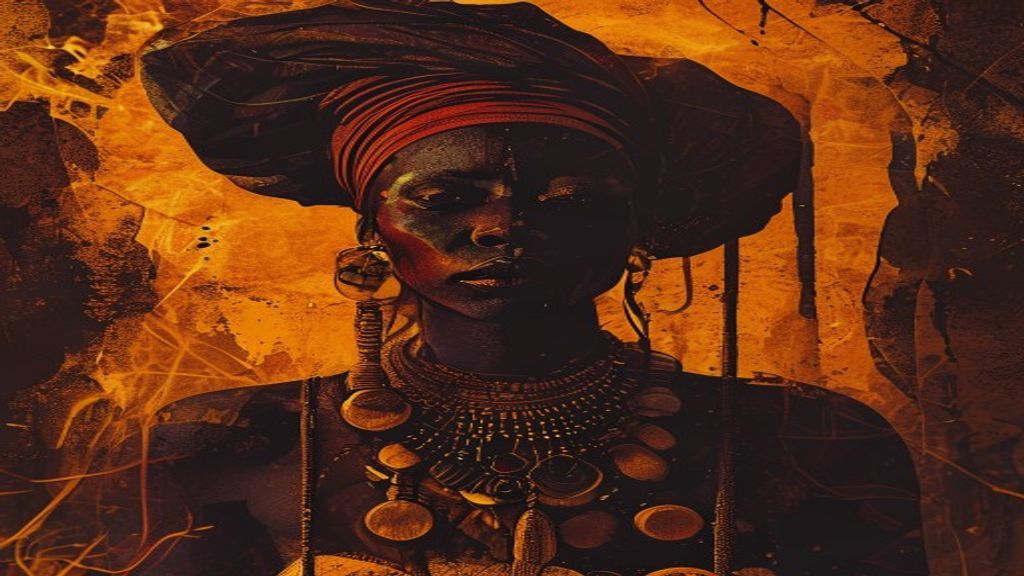
Raíces que Hablan
Cierro los ojos y aún puedo sentir el calor ardiente que emanaba de la fragua de mi abuelo en las madrugadas de La Habana vieja, donde el aire olía a carbón encendido y a sudor sagrado. No era solo metal lo que se trabajaba allí, sino el destino mismo de nuestra comunidad, moldeado bajo la mirada atenta de Ogun, el dueño del hierro y los caminos. En esa penumbra iluminada por las chispas danzantes, la religión yoruba dejaba de ser un concepto lejano para convertirse en el ritmo del martillo contra el yunque, una vibración que recorría los huesos y nos recordaba que la espiritualidad africana vive en cada herramienta que usamos para construir nuestro mañana.
El Camino de los Ancestros
Cuando los barcos cruzaron el Atlántico trayendo cadenas y dolor, nuestros antepasados escondieron en su memoria la imagen de Ogun rompiendo montañas con su machete para abrir paso a la civilización. En las plantaciones de Brasil y Cuba, la cultura afrodescendiente encontró en la santería una forma de resistencia silenciosa pero poderosa; el hierro de los grilletes se transformó simbólicamente en el acero de los cuchillos ceremoniales y las herramientas de trabajo. Recuerdo a la vieja Tata Inés, una santera de regencia en Matanzas, quien limpiaba su cuchilla con aguardiente y romero antes de cada ceremonia, murmurando saludos a los ancestros que caminaron antes que nosotros. Ella decía que Ogun no distingue entre el arado que siembra el maíz y el machete que defiende la justicia, pues ambos requieren la misma integridad y fuerza. Los orishas no habitan en nubes distantes, sino en el filo de la realidad cotidiana, en la mano del herrero, del cirujano y del conductor que navega el caos de la ciudad. La historia de nuestro pueblo está escrita en el óxido y el brillo del metal, testigo mudo de cómo la fe sostuvo a familias enteras cuando todo lo demás parecia derrumbarse.
La Enseñanza del Día
Hoy, al caminar por calles llenas de ruido y prisa, invito a escuchar el eco profundo que Ogun nos deja: la verdad requiere valentía y la rectitud es un camino que se abre golpe tras golpe, sin miedo a las chispas que saltan al enfrentar la injusticia. No basta con rezar; es necesario actuar con la precisión del hierro bien templado, eliminando las impurezas del corazón como se elimina la escoria del metal fundido. Que tu palabra sea tan firme como el acero y tu espíritu tan resistente como la herramienta que nunca se quiebra ante la adversidad, honrando así la sangre de quienes nos precedieron en esta lucha eterna por la dignidad y la luz.
Roots That Speak
I close my eyes and I can still feel the burning heat radiating from my grandfather's forge in the early mornings of old Havana, where the air smelled of ignited charcoal and sacred sweat. It was not just metal being worked there, but the very destiny of our community, molded under the watchful gaze of Ogun, the owner of iron and paths. In that twilight illuminated by dancing sparks, the Yoruba religion ceased to be a distant concept and became the rhythm of the hammer against the anvil, a vibration that ran through our bones, reminding us that African spirituality lives in every tool we use to build our tomorrow.
The Path of the Ancestors
When the ships crossed the Atlantic bringing chains and pain, our ancestors hid in their memory the image of Ogun breaking mountains with his machete to clear the way for civilization. In the plantations of Brazil and Cuba, Afro-descendant culture found in Santería a form of silent yet powerful resistance; the iron of shackles was symbolically transformed into the steel of ceremonial knives and work tools. I remember old Tata Inés, a senior Santera in Matanzas, who would clean her blade with rum and rosemary before every ceremony, whispering greetings to the ancestors who walked before us. She said that Ogun makes no distinction between the plow that plants corn and the machete that defends justice, for both require the same integrity and strength. The Orishas do not inhabit distant clouds, but reside in the edge of daily reality, in the hand of the blacksmith, the surgeon, and the driver navigating the chaos of the city. Our people's history is written in the rust and shine of metal, a silent witness to how faith held entire families together when everything else seemed to crumble around them.
Today's Teaching
Today, walking through streets full of noise and haste, I invite you to listen to the deep echo Ogun leaves us: truth requires courage, and righteousness is a path opened blow by blow, without fear of the sparks that fly when confronting injustice. It is not enough to pray; one must act with the precision of well-tempered steel, removing the impurities of the heart just as slag is removed from molten metal. May your word be as firm as steel and your spirit as resilient as the tool that never breaks in the face of adversity, thus honoring the blood of those who preceded us in this eternal struggle for dignity and light.
Portal Africanista — Preservando raices, construyendo puentes.