
Raíces que Hablan
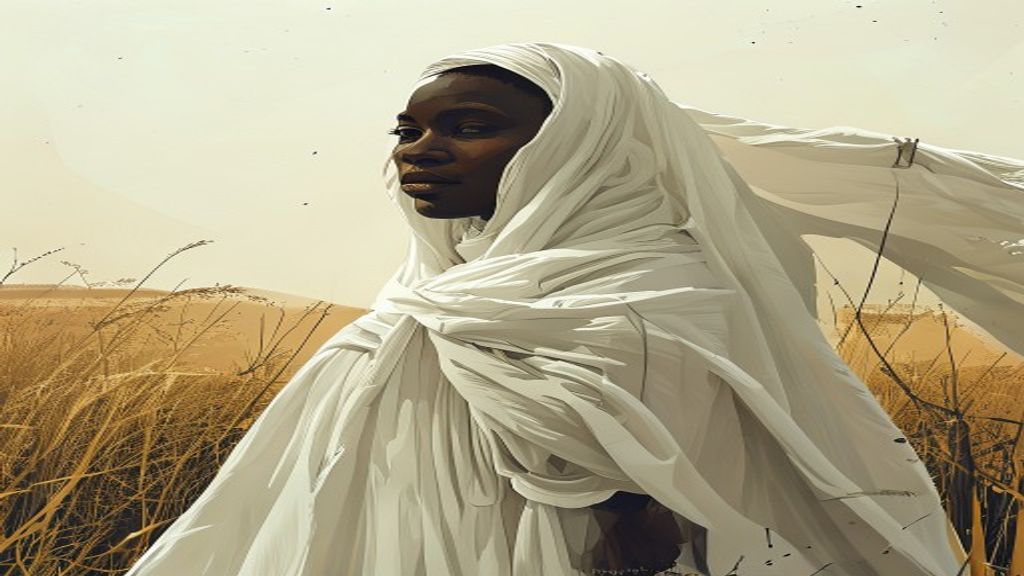
Recuerdo el olor a algodón crudo y leche de coco que llenaba la casa de mi abuela Yoruba en Matanzas, un aroma que no pedía permiso para entrar en el alma. Allí, bajo la sombra de una ceiba centenaria, ella me enseñó que el silencio no es vacío, sino el lienzo donde Obatalá, el padre de todos, pinta la claridad. La espiritualidad africana nos invita a detenernos cuando el ruido del mundo apaga la voz interior. En esa quietud, los ancestros no gritan; susurran a través de la blancura inmaculada de las telas que cubren los fundamentos sagrados, recordándonos que antes de actuar, debemos ser puros de pensamiento y corazón, tal como lo exige la religión yoruba en sus momentos más solemnes.
El Camino de los Ancestros
La historia de nuestra cultura afrodescendiente está tejida con los hilos de la resistencia y la devoción a los orishas, especialmente a Obatalá, quien moldó el cuerpo humano con arcilla blanca bajo la luz de la luna. Durante las travesías del Atlántico, cuando los tambores fueron prohibidos y las lenguas silenciadas, fue la memoria del color blanco y la paz interna lo que mantuvo viva la llama de la santería en las Américas. Mis mayores contaban cómo en los bateyes azucareros de Cuba o en los puertos de Bahía, se escondían caracoles y piedras de río bajo faldas almidonadas, protegiendo la esencia de la espiritualidad africana. No era solo un ritual; era un acto de supervivencia política y espiritual. Cada pliegue en la tela blanca representaba una generación que se negó a olvidar su origen, manteniendo viva la conexión con Olodumare a través de la ética del comportamiento y la calma ante la tormenta. Los nombres de Babalú-Ayé y Yemayá resonaban en codigos, pero era la presencia serena de Obatalá la que permitía a la comunidad respirar cuando el látigo del殖民ismo intentaba quebrantar el espíritu. Esta tradición ha viajado desde las costas de Nigeria hasta el Caribe y Brasil, adaptándose sin perder su núcleo sagrado, demostrando que la verdadera fuerza reside en la capacidad de mantener la paz interior frente al caos exterior.
La Enseñanza del Día
Hoy, mientras el mundo corre desesperado buscando respuestas en la velocidad, la lección de Obatalá es más urgente que nunca. La religión yoruba nos enseña que la prisa es enemiga de la perfección y que la cabeza, nuestro destino individual, necesita reposo para escuchar la sabiduría de los ancestros. No se trata de huir de la realidad, sino de vestir nuestro interior con esa tela blanca de tranquilidad que nos permite ver la verdad sin el polvo de la confusión. Al honrar a los orishas con paciencia y rectitud, construimos puentes entre el pasado y el futuro, asegurando que la cultura afrodescendiente siga siendo un faro de humanidad. Que tu paso sea lento y tu mente clara, pues es en el silencio fértil donde nace la verdadera creación.
Roots That Speak
I can still smell the scent of raw cotton and coconut milk that filled my Yoruba grandmother's house in Matanzas, an aroma that needed no permission to enter the soul. There, under the shade of a centuries-old ceiba tree, she taught me that silence is not emptiness, but the canvas where Obatalá, the father of all, paints clarity. African spirituality invites us to stop when the noise of the world drowns out the inner voice. In that stillness, the ancestors do not shout; they whisper through the immaculate whiteness of the cloths covering the sacred foundations, reminding us that before we act, we must be pure in thought and heart, just as the Yoruba religion demands in its most solemn moments.
The Path of the Ancestors
The history of our Afro-descendant culture is woven with threads of resistance and devotion to the orishas, especially Obatalá, who molded the human body with white clay under the moonlight. During the Atlantic crossings, when drums were banned and languages silenced, it was the memory of the white color and inner peace that kept the flame of Santería alive in the Americas. My elders recounted how in the sugar mills of Cuba or the ports of Bahia, cowries and river stones were hidden beneath starched skirts, protecting the essence of African spirituality. It was not merely a ritual; it was an act of political and spiritual survival. Every fold in the white cloth represented a generation that refused to forget their origin, keeping the connection with Olodumare alive through ethical behavior and calm amidst the storm. The names of Babalú-Ayé and Yemayá resonated in codes, but it was the serene presence of Obatalá that allowed the community to breathe when the lash of colonialism tried to break the spirit. This tradition has traveled from the coasts of Nigeria to the Caribbean and Brazil, adapting without losing its sacred core, proving that true strength lies in the ability to maintain inner peace against external chaos.
Today's Teaching
Today, as the world runs desperately seeking answers in speed, Obatalá's lesson is more urgent than ever. The Yoruba religion teaches us that haste is the enemy of perfection and that the head, our individual destiny, needs rest to hear the wisdom of the ancestors. It is not about fleeing reality, but about dressing our interior in that white cloth of tranquility that allows us to see the truth without the dust of confusion. By honoring the orishas with patience and righteousness, we build bridges between the past and the future, ensuring that Afro-descendant culture remains a beacon of humanity. May your step be slow and your mind clear, for it is in the fertile silence that true creation is born.
Portal Africanista — Preservando raices, construyendo puentes.