
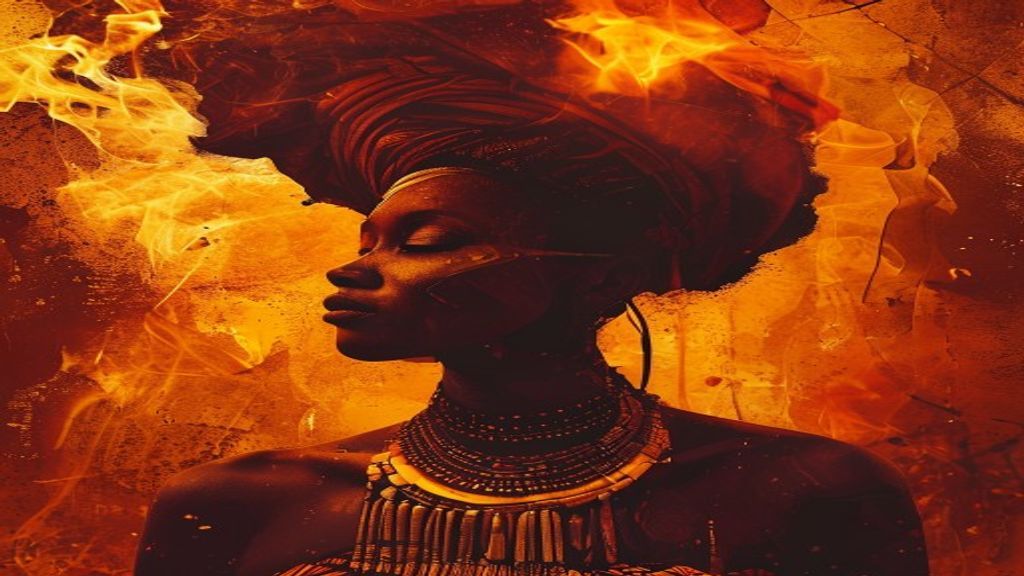
Raíces que Hablan
Recuerdo la primera vez que mi abuela Felicia encendió una vela de siete días frente a la estera de yute donde descansaban las herramientas de Changó. No era un ritual silencioso; el aire se espesaba con el olor dulce y terroso del aceite de palma, ese epó que nutre la boca de los orishas y sella nuestros pactos. En esa pequeña cocina de La Habana Vieja, donde la humedad pegaba la ropa a la piel, la religión yoruba no era una teoría, sino una presencia física, cálida como el rescoldo de una hoguera antigua. La espiritualidad africana late en esos aromas que atraviesan generaciones, recordándonos que los ancestros nunca se fueron, sino que habitan en la chispa del fogón y en la ofrenda sencilla.
El Camino de los Ancestros
Cuando nuestros antepasados cruzaron el Atlántico en las bodegas de los barcos negreros, no pudieron traer tambores grandes ni estatuas de madera tallada, pero escondieron en sus memorias la esencia de la santería y la devoción a los orishas. En las plantaciones de caña en Matanzas o en los cafetales de Oriente, la cultura afrodescendiente encontró refugio en la cocina. Las mujeres, guardianas del secreto, aprendieron que el mismo aceite de palma que doraba los plátanos podía consagrar una piedra del río. Figuras históricas como la famosa santera Gregoria"La Chicharronera" demostraron que la fe sobrevive en la adaptación. Cada vez que se fríe un akará o se prepara un amalá, se está recreando un mapa sagrado traído desde las tierras de lo que hoy es Nigeria y Benín. La resistencia no fue solo con machetes, sino con cucharas de madera y recipientes de barro donde se ocultaba la identidad divina bajo nombres de santos católicos, permitiendo que la llama de la tradición no se apagara nunca.
La Enseñanza del Día
Hoy, al ver a un joven neófito aprender a medir la temperatura del aceite para Eshu, entiendo que la verdadera transmisión del conocimiento no está en los libros polvorientos, sino en las manos manchadas de achiote y en la paciencia del maestro. La espiritualidad nos enseña que lo sagrado es cotidiano; no necesita templos de mármol, sino intención pura y respeto por los elementos. Cuando el humo del tabaco se eleva limpiando el ambiente y el sabor del coco fresco toca nuestra lengua, estamos comulgando con una historia de supervivencia y amor. Que nunca olvidemos que cada gota de aceite derramada con reverencia es un puente tendido hacia aquellos que caminaron antes, asegurando que el fuego de nuestra identidad arda con fuerza para las generaciones venideras.
Roots That Speak
I recall the first time my grandmother Felicia lit a seven-day candle before the burlap mat where Changó's tools rested. It was not a silent ritual; the air thickened with the sweet, earthy scent of palm oil, that epó that nourishes the mouths of the orishas and seals our pacts. In that small Old Havana kitchen, where humidity stuck clothes to skin, the Yoruba religion was not a theory, but a physical presence, warm as the embers of an ancient fire. African spirituality pulses in those aromas that cross generations, reminding us that the ancestors never left, but dwell in the spark of the hearth and the simple offering.
The Path of the Ancestors
When our ancestors crossed the Atlantic in the holds of slave ships, they could not bring large drums or carved wooden statues, but they hid the essence of Santería and devotion to the orishas within their memories. In the sugarcane fields of Matanzas or the coffee plantations of Oriente, Afro-descendant culture found refuge in the kitchen. The women, guardians of the secret, learned that the same palm oil that browned the plantains could consecrate a river stone. Historical figures like the famous santera Gregoria "La Chicharronera" demonstrated that faith survives through adaptation. Every time an akará is fried or an amalá prepared, a sacred map brought from the lands of what is now Nigeria and Benin is recreated. Resistance was not only with machetes, but with wooden spoons and clay pots where divine identity was hidden behind Catholic saint names, allowing the flame of tradition to never extinguish. This living history proves that the church was built not of stone, but of flavor, memory, and the unbreakable will to preserve the divine connection amidst oppression.
Today's Teaching
Today, watching a young initiate learn to measure the oil temperature for Eshu, I understand that true knowledge transmission lies not in dusty books, but in hands stained with annatto and the teacher's patience. Spirituality teaches us that the sacred is everyday; it needs no marble temples, only pure intention and respect for the elements. When tobacco smoke rises cleansing the room and the taste of fresh coconut touches our tongues, we are communing with a history of survival and love. Let us never forget that every drop of oil spilled with reverence is a bridge built toward those who walked before, ensuring the fire of our identity burns strongly for generations to come.
Portal Africanista — Preservando raices, construyendo puentes.